
What is a cold wallet?
A cold wallet is a cryptocurrency wallet that is not connected to the internet. With cold storage, the generation and storage of the private keys is done in an offline environment. Online environments are vulnerable to hackers, who actively target cryptocurrency. Most exchanges and brokers have a large part of their cryptocurrency in cold wallets. This makes it impossible for hackers to steal the crypto from the wallets, because you would need to be physically present at the location.
This also means that not everyone can quickly withdraw all cryptocurrency from an exchange. An employee first has to retrieve it from the cold wallet and send it to the hot wallet. How this exactly happens is unknown. The opposite of a cold wallet is a hot wallet.
Despite cold wallets being considered safe, they are not 100% bulletproof. During the Bybit hack in February 2025, North Korean hackers managed to steal a staggering $1.4 billion in Ethereum from a cold wallet. This was the largest crypto hack ever. The hackers manipulated the interface of a third-party service, causing employees to unknowingly approve a malicious transaction. This shows that the processes surrounding cold wallets can also be vulnerable.
For users, it is also possible to store your cryptocurrency in a cold wallet. Take a look at the popular cold storage options below.
Cold storage in a hardware wallet (safest)
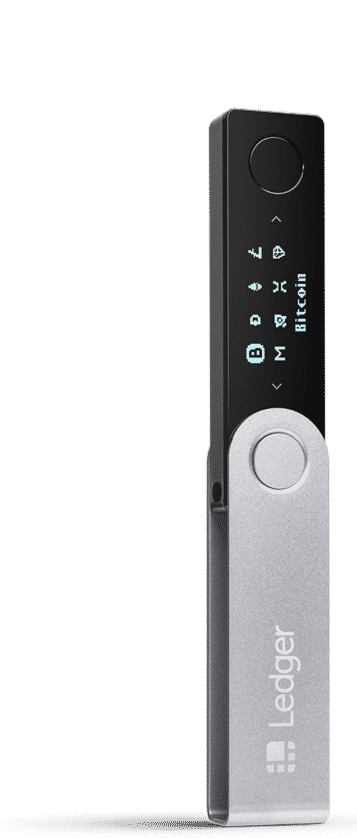 A hardware wallet is the most secure option for cold storage of cryptocurrencies. Unfortunately, a hardware wallet is not free. It is a physical device that looks very similar to a USB stick. It signs transactions using the private keys that are stored offline. You therefore manage your own private keys with a hardware wallet.
There are several popular hardware wallets available on the market. The most commonly used in 2026 are:
- Ledger (Nano X, Flex or Stax): The most popular hardware wallets with support for thousands of cryptocurrencies. Connectivity via USB and Bluetooth.
- Trezor (Safe 3 or Safe 7): Open-source hardware wallets known for their transparency and security.
We strongly recommend a hardware wallet if you want to store your cryptocurrency securely and offline. Especially if the goal is to not touch it for a while and store it for a longer period of time. A disadvantage is that not all coins are yet supported by the different manufacturers. Updates for new coins are released regularly. Keep an eye on the manufacturer’s website or newsletter.
Paper wallets
Do you want to use a cold wallet but don’t want to spend any money? Then a paper wallet might be an option for you. This is the cheapest form of cold storage. However, paper wallets are barely used anymore in 2026. They are vulnerable to physical damage, difficult to generate securely and do not offer a user-friendly way to sign transactions. Hardware wallets are now available from around €49, making a paper wallet no longer worth it for most users. Still want to try a paper wallet?
Via the following website you can generate a free paper wallet: https://www.bitaddress.org
After generating, you will receive a public Bitcoin address and the corresponding private key. Make sure you do this on an offline computer to minimise the risk of theft.
Navigation
